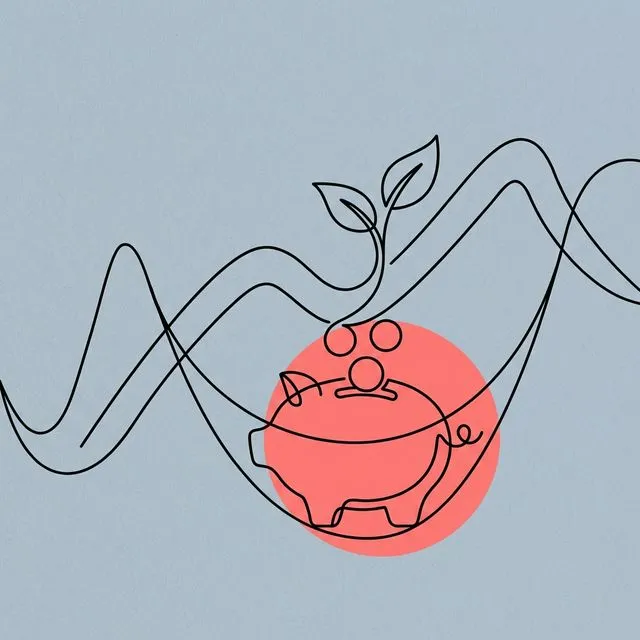
Variable Income Cash Flow: Surviving the Gig Economy Feast-or-Famine Cycle
Learn how to manage irregular freelance income, budget for quarterly taxes, and build a reliable safety net in the modern gig economy.
The gig economy promises ultimate freedom: you set your own hours, choose your clients, and become your own boss. But behind the glossy allure of the laptop lifestyle lies a harsh mathematical reality. Without a steady paycheck, the modern freelancer is often caught in a relentless “feast or famine” cycle—flush with cash one month and scrambling to cover rent the next.
If you aren’t actively managing your cash flow, the gig economy can quickly turn from a dream into a financial nightmare.
The Irregular Income Trap
Traditional employment provides a predictable safety net: taxes are withheld for you, benefits are subsidized, and your take-home pay arrives like clockwork. When you transition to freelance work or gig platforms, you take on the entire burden of financial administration.
The biggest challenge isn’t just making money; it’s managing it when it arrives sporadically. During a “feast” month, it’s dangerously easy to inflate your lifestyle, creating a false sense of security that crumbles during the inevitable “famine” periods.
The Hidden Costs of Independence
To build sustainable wealth as a solopreneur, you must recognize that your gross invoice amount is not your actual income. You face three major hurdles:
- Self-Employment Taxes: As an independent contractor, you are responsible for both the employee and employer portions of Medicare and Social Security taxes, along with standard income taxes.
- Quarterly Estimated Payments: Instead of a simple annual return with a W2, you must estimate your tax liability and pay the IRS quarterly to avoid steep penalties.
- Lack of Hidden Benefits: You are solely responsible for funding your health insurance, retirement accounts, and paid time off.
The Math: Defeating the “Feast or Famine” Cycle
The key to surviving irregular income is to aggressively decouple your earning cycle from your spending cycle.
- Calculate Your Baseline “Burn Rate”: Identify the absolute minimum amount you need to survive each month (housing, food, utilities, essential insurance).
- Build a “Hill and Valley” Fund: A standard emergency fund is for true emergencies. Solopreneurs need an additional cash buffer—often 1-2 months of living expenses—specifically designed to smooth out income fluctuations (the valleys) using surplus cash (the hills).
- The Immediate Tax Siphon: The moment an invoice is paid, you must immediately transfer a percentage to a separate, high-yield savings account earmarked for taxes. Do not wait until the end of the month.
Exactly how much should you set aside? Creating a precise allocation system is the only way to avoid a massive, unexpected tax bill that derails your progress.
Stop guessing your tax liability. Use our Gig Income Allocator to know exactly how much to set aside for taxes, retirement, and your safe-to-spend budget from every single payment.
Disclaimer
This analysis is for educational purposes only and does not constitute financial advice. The models presented are projections based on historical data and specific assumptions that may not apply to your unique situation. Always consult with a certified financial professional.
Content on StashPlanner is created with the assistance of Artificial Intelligence. While we fact-check against high-authority sources, AI can occasionally hallucinate or get details wrong. Please use this content as a starting point and always conduct your own due diligence.