The Gamification Trap: Why Gen Z and Millennials Are Addicted to Credit Cards
Discover how financial institutions use gamification, rewards, and interactive apps to keep younger generations hooked on credit cards, leading to mounting debt.
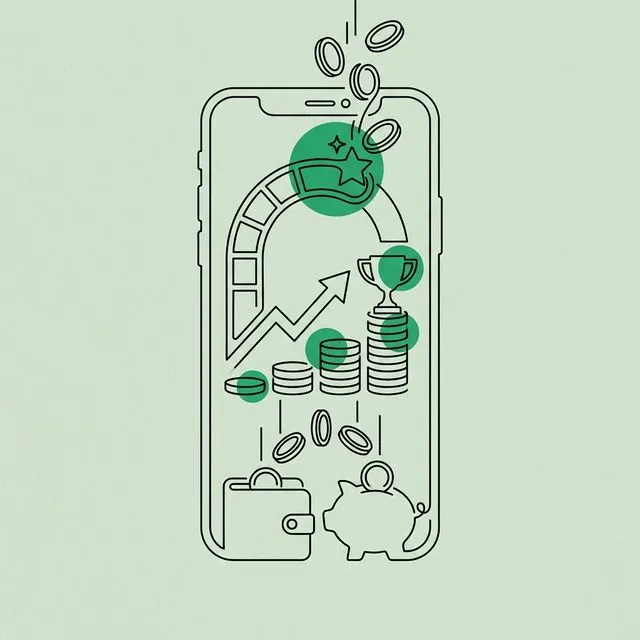
With a sleek swipe on a glowing smartphone screen, confetti explodes. You’ve just hit another “milestone” on your credit card app. You unlocked a digital badge, boosted your reward points multiplier, and saw your credit score simulator inch upward. It feels like winning a game.
But you’re not playing a game; you’re managing debt.
For Millennials and Gen Z, the credit card industry has undergone a radical transformation. Moving away from dry monthly statements and complex fee structures, banks and fintech companies have fully embraced gamification—treating personal finance like a mobile game. While this makes money management more engaging, it also masks the addictive, compounding reality of high-interest consumer debt.
The Psychology of Financial Gamification
Gamification in finance uses elements from game design—points, badges, leaderboards, and progress bars—to encourage specific user behaviors. Because younger generations are digital natives raised on interactive apps, they respond incredibly well to these mechanics.
Financial institutions know this. They design apps that deliver quick dopamine hits for interacting with your credit account.
1. The Reward Point Treadmill
The most pervasive form of gamification is the complex reward points ecosystem. Credit cards are marketed not as borrowing tools, but as “lifestyle accelerators.” By offering rotating categories (e.g., “5x points on dining this quarter!”), issuers turn routine spending into a quest to maximize returns.
The psychological trap here is to view the points as free money, forgetting that you have to spend money to earn them. The thrill of accumulating points often overrides the rational assessment of whether a purchase was necessary in the first place, leading to inflated credit card balances.
2. The Illusion of Control via Simulators
Many modern banking apps feature “Credit Score Simulators” that allow you to move sliders and see how different actions (like paying off a balance or opening a new card) might impact your score.
While educational, these tools can create a false sense of security. They game-ify the credit score itself, encouraging users to focus obsessively on a three-digit number rather than their actual net worth or their debt-to-income ratio. It shifts the focus from “Am I building wealth?” to “Am I winning the credit score game?”
The Cost of Playing the Game
The consequences of this gamification are severely compounding. Gen Z, in particular, is experiencing a rapid rise in credit card debt, maxing out their limits faster than previous generations.
The seamless, frictionless nature of mobile payments (Apple Pay, Google Wallet) combined with gamified banking apps creates a detachment from the physical reality of spending. When swiping a card feels identical to scoring points in a video game, the pain of parting with money disappears.
Once a balance rolls over to the next month, the game changes. With average credit card interest rates soaring well past 20%, the mathematical reality of compound interest takes over. The small “wins” of earning 2% cash back are entirely obliterated by paying 24% interest on a revolving balance.
How to Uninstall the Debt Mindset
To break the cycle of gamified debt, you have to separate the tool from the entertainment.
- Turn Off Push Notifications: Treat your banking app like a financial ledger, not a social media feed. Disable notifications for minor transactions or “new reward unlocked” alerts.
- Audit Your “Earnings”: Once a quarter, calculate exactly how much you paid in interest versus how much you earned in cash back or points. If the interest is higher, the game is playing you.
- Focus on the True Score: Shift your attention from your credit score to your Net Worth. Your credit score only dictates how cheaply you can borrow more money; your net worth dictates your actual financial independence.
[!CAUTION] Check the Math: Think you’re beating the system with rewards? Use our Credit Card Minimum Payment Calculator to see exactly how much your revolving balance is costing you in interest.
Gamified finance isn’t inherently evil, but it is heavily tilted in favor of the house. By recognizing the psychological mechanics at play, you can stop playing their game and start building your own wealth.
Disclaimer
This analysis is for educational purposes only and does not constitute financial advice. The models presented are projections based on historical data and specific assumptions that may not apply to your unique situation. Always consult with a certified financial professional.
Content on StashPlanner is created with the assistance of Artificial Intelligence. While we fact-check against high-authority sources, AI can occasionally hallucinate or get details wrong. Please use this content as a starting point and always conduct your own due diligence.